
Why Western Red Cedar Bevel Siding Stands Out Among Modern Alternatives
There are many complex decisions involved in modern building projects, but picking the right siding shouldn’t be one of them. Whether a residential or commercial project, builders have to balance appearance, performance, and long-term value, often navigating a sea of options and opinions. Among the many options (namely composite, fibre cement, vinyl, and other engineered materials), Western Red Cedar bevel siding continues to stand out as a proven and reliable choice.
Bevel – what is it good for? Absolutely everything.
Bevel siding, sometimes called clapboard, is one of the most recognisable and abundant siding profiles. In fact, if you walk through your local neighbourhood, you’re likely to find it. Each piece of bevel siding is milled with a taper, allowing pieces to overlap as they’re installed. It’s this design that makes it special, allowing for easy installation while providing superior water-shedding ability and a clean shadow-line aesthetic. Whether you want to use it for function or fashion, bevel is a great siding choice!
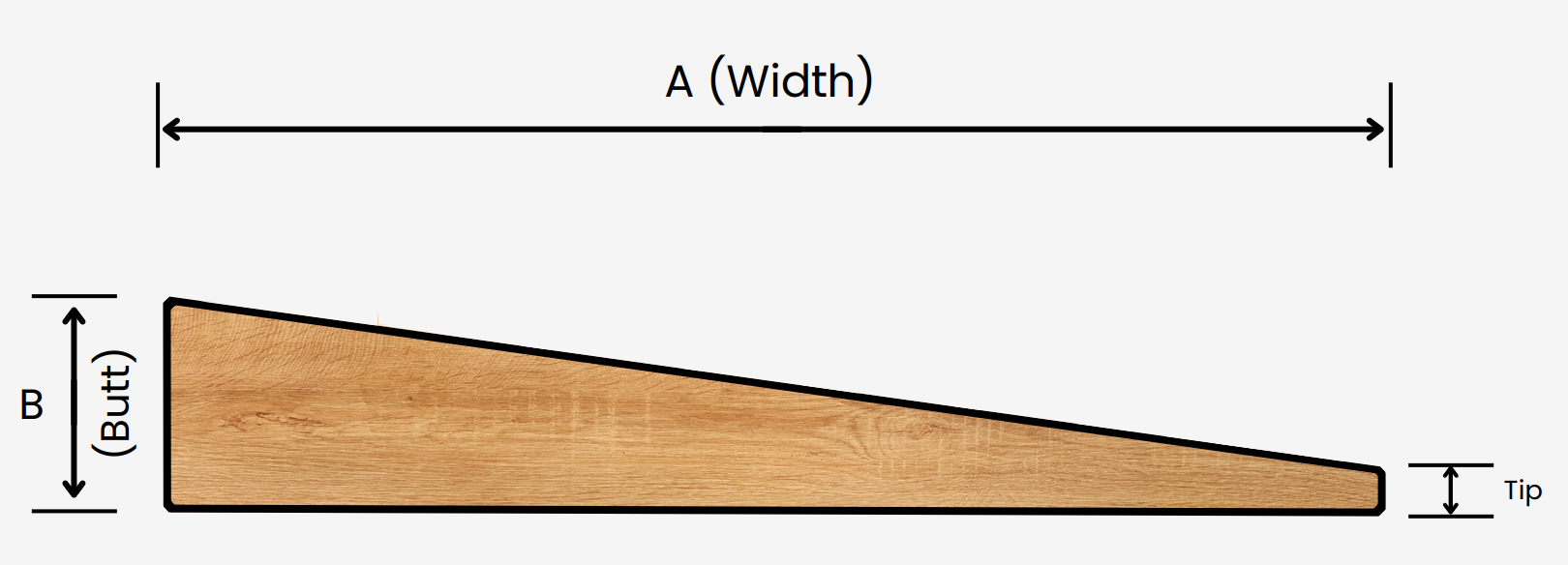
Bevel Diagram - specified by width and thickness.
Western Red Cedar Bevel Siding
The natural properties of Western Red Cedar enhance bevel siding in its applications, making it well-suited for both residential and commercial applications. For example:
Western Red Cedar Brings Proven Durability
Natural extractives in Western Red Cedar help it resist moisture, decay, and insect damage. In an exterior application, this built-in durability allows it to perform well without the need for prior chemical treatment. In addition, cedar is also more dimensionally stable compared to many other wood species. Once installed, it will consistently perform, resisting excessive shrinking, swelling, and warping that can occur when exposed to aggressive weather conditions.
Western Red Cedar is Timeless
One of the most recognized advantages of Western Red Cedar is its natural appearance. Cedar is beautiful! Each board blends together unique grain patterns, colours, and textures that contribute to a warm, high-end finish. Unlike manufactured alternatives, which can aim to mimic wood, cedar offers authentic variation that adds architectural character.
While no siding material is maintenance-free, Western Red Cedar has a long track record of performance when properly installed and maintained, and the adaptability to fit nearly any desired look. Whether it’s left to weather naturally to a silver-grey, stained to highlight the grain, or even painted to match design requirements, cedar has the flexibility to allow builders and designers to execute a wide range of finishes.
Western Red Cedar is Easy to Handle & Install
Compared to alternatives such as concrete or some composite products Western Red Cedar is lightweight and easy to cut, shape, and fasten. It’s ready to use out of the box, but also easy to work with on-site so builders can efficiently complete custom projects or detailed architectural features.
Western Red Cedar is THE Green Choice
As a natural wood product, you also don’t need to worry about waste to the degree you would with an alternative building solution. Western Red Cedar is renewable, biodegradable, and sourced from responsibly managed forests.
For projects where sustainability is a consideration, Western Red Cedar is the go-to option over petroleum-based or heavily processed materials. Not only does it take less energy and resources to produce, but it also acts as a natural carbon sink, even when installed. Carbon dioxide absorbed by the tree during its growth remains stored in the wood throughout the products life, while new trees are planted upon harvest to continue the cycle of actively removing carbon dioxide from the air. Clean air, clean conscious – you can feel good about using cedar!
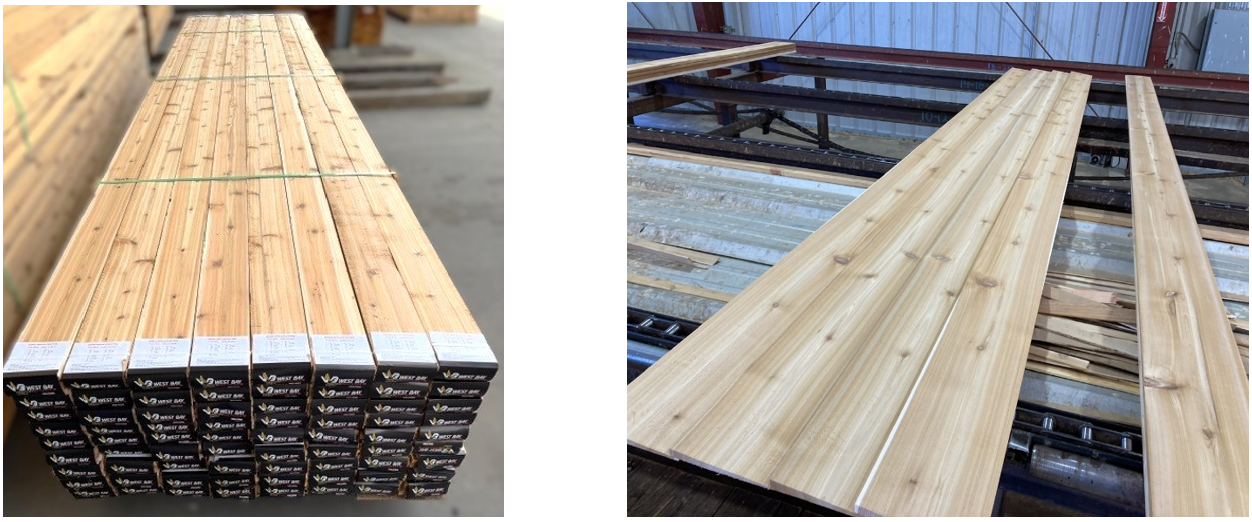
West Bay Western Red Cedar Bevel comes kiln dried, end-capped, and sub-bundled, with installation instructions included to help you get started.
Stacking Up to the Alternatives
While we think Western Red Cedar is the best choice, it’s important to understand how it compares to other alternatives when weighing bevel siding options.
Western Red Cedar vs. Composite Siding
Over the past few years, composite siding has grown in popularity due to its low-maintenance. Most people want to install it and forget about it. While Western Red Cedar still has the edge in natural appearance, design flexibility, and repair, modern composites do have lower ongoing maintenance requirements and a more uniform appearance over time.
For most buyers, the decision comes down to preference. Do you want something truly unique with some maintenance, or engineered consistency with less involvement?
Western Red Cedar vs. Vinyl Siding
Vinyl siding is often used in projects where cost is prioritized. Vinyl follows the trend of minimal maintenance and lower upfront cost; however, you do get what you pay for. While it provides a consistent look, vinyl can look and perform cheaply during intense temperature swings, resulting in cracking, warping, or other damage. On the other hand, Western Red Cedar has an established reputation and performance history of higher-end appearance and performance, being less prone to failing under those same conditions.
While vinyl serves a purpose in certain applications, cedar is typically selected when appearance and long-term value are priorities.
Western Red Cedar vs. Fibre Cement
Fibre cement siding can be used for projects which require fire resistance. While cedar can be fire-treated, the makeup of fibre cement allows it to be a strong performer in demanding environments. The downside, however, is that fibre cement siding options can be quite heavy and difficult to work with in addition to environmental concerns tied to its manufacturing and disposal.
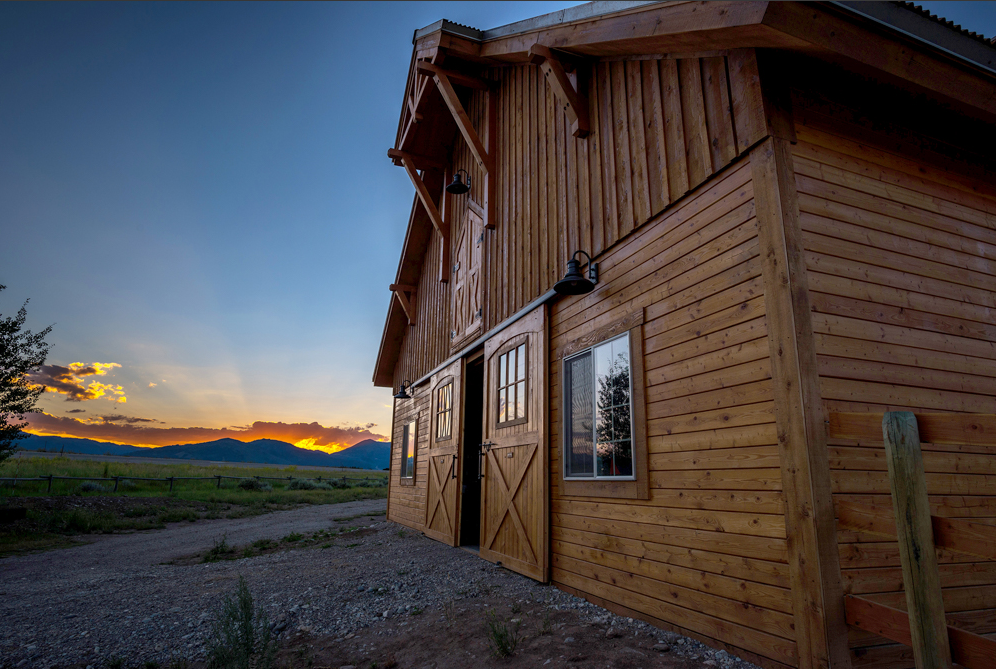
Sustainable, durable, and naturally distinct - Western Red Cedar Bevel is hard to replicate.
Why Western Red Cedar Wins Out as the Long-Term Value Option
Clearly there are many options available to buyers when choosing siding for their next project. Whether you value maintenance, cost, or sustainability, each material has its own considerations, including Western Red Cedar. However, despite the alternatives, Western Red Cedar, when properly selected and maintained, may still offer the best balance of durability and design flexibility. When considering the environmental benefits of Western Red Cedar as a renewable resource, along with its natural beauty and performance, the choice is clear.
Partnering for Reliable Cedar Supply
Western Red Cedar isn’t going anywhere, and neither are we. At West Bay Forest Products, Western Red Cedar has been our focus for nearly four decades. As we’ve grown, we’ve acquired our own sawmills and remanufacturing facilities allowing us to maintain consistent quality, support a range of profiles and grades, and keep costs low.
Our team is available to help you navigate the complex landscape that is siding, and support you in selecting an option that fits your project. Reach out today to learn more about our Western Red Cedar bevel options.